




As the automotive industry hurtles into the future, 2024 promises to be a transformative year, defined by innovation, sustainability, and a reimagining of the driving experience. From electric revolutions to cutting-edge technologies, buckle up as we explore the key trends and what to expect from the car industry in 2024.
A Surge in EV Offerings
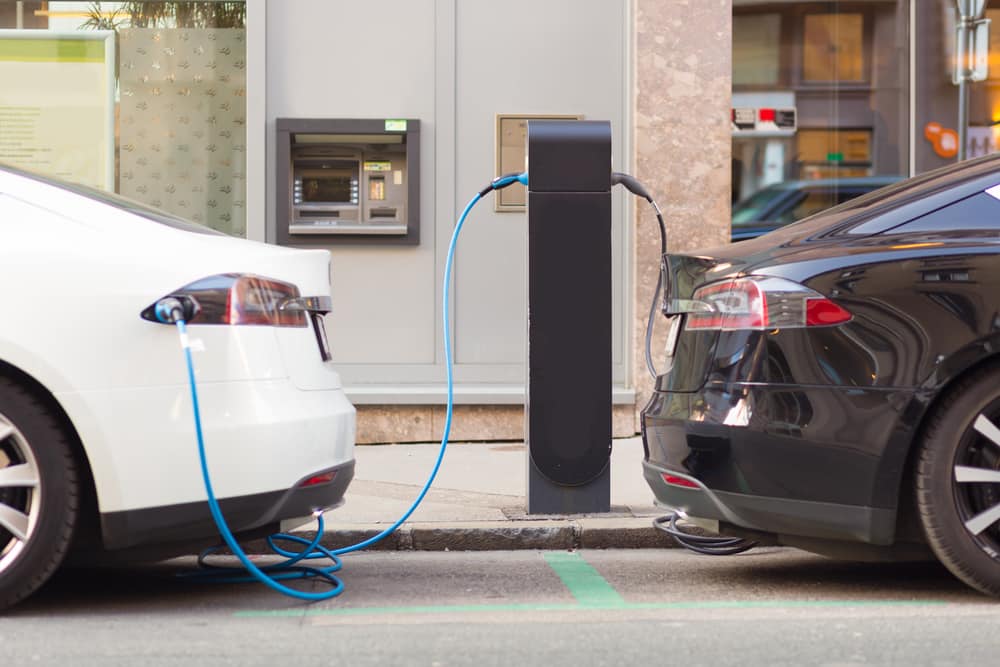
Electric vehicles (EVs) are set to dominate headlines in 2024 as major automakers intensify their commitment to sustainable mobility. Expect an influx of new electric models with enhanced range, faster charging capabilities, and innovative battery technologies. The race for supremacy in the electric market is on, with established players and newcomers vying for consumer attention in a landscape that is rapidly shifting toward zero-emission driving. So, if someone asks you what to expect from the car industry in 2024? The simple answer is more EVs!
Autonomous Advancements
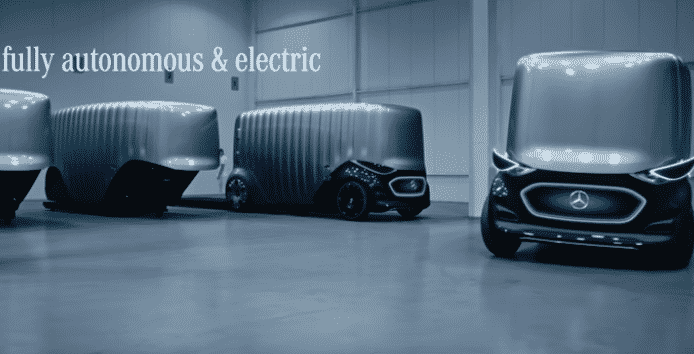
Autonomous driving technology continues to evolve, and 2024 promises significant strides in the development of self-driving cars. Enhanced safety features, improved AI algorithms, and expanded testing programs are anticipated to bring us closer to a future where autonomous vehicles are a common sight on the roads. The industry will likely witness advancements in both hardware and software, contributing to the realization of fully autonomous driving in certain controlled environments.
Green Initiatives and Eco-Friendly Practices
Sustainability is not just a buzzword; it’s a driving force in the automotive industry. In 2024, manufacturers are expected to accelerate their adoption of eco-friendly practices. This range from sustainable materials in vehicle manufacturing to the implementation of circular economy principles. With a growing emphasis on reducing carbon footprints, expect more electric charging infrastructure, increased use of recycled materials, and a broader commitment to environmentally conscious manufacturing processes.
Tech-Infused Cockpits
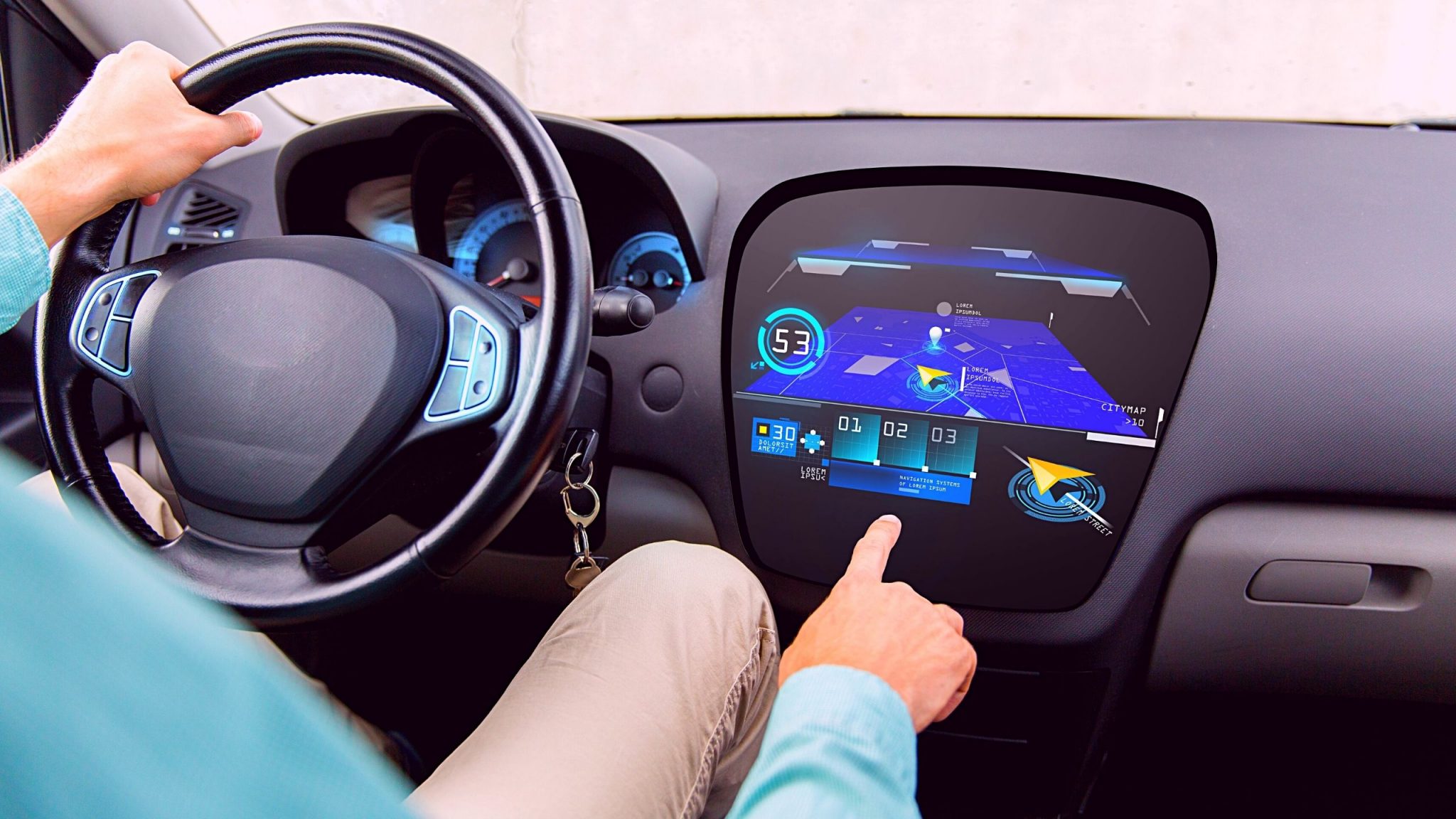
The inside of your car is becoming a tech haven, and 2024 will see a surge in advanced in-car experiences. 1 (AR) dashboards, AI-driven personal assistants. Immersive entertainment systems are set to redefine the driving experience. The integration of 5G connectivity will further enhance communication between vehicles and their surroundings. This will open the door to a new era of smart, connected cars.
Collaborations and Mergers
Collaborations and mergers are reshaping the automotive landscape. The industry is constantly adapting to new challenges and opportunities. Expect to see more strategic partnerships between traditional automakers and tech companies. These alliances will not only foster innovation. They also expedite the development of next-generation technologies. Thus, ensuring that the automotive industry remains at the forefront of technological evolution.
Driving Toward Tomorrow
As we usher in the new year, the car industry in 2024 is poised for a paradigm shift. From the widespread adoption of electric vehicles to the continuous march toward autonomous driving, the road ahead is paved with innovation and sustainability. The driving experience is evolving, embracing cutting-edge technologies that redefine not just how we drive but also how we interact with our vehicles. Fasten your seatbelts, for 2024 is set to be a thrilling journey into the future of mobility, where every turn brings new possibilities and every innovation drives us closer to a smarter, more sustainable automotive landscape.
When it comes to car innovations, we have made such incredible strides! Discover the most impactful automotive breakthroughs of the last 100 years! Check out this post: 1










Leave a comment